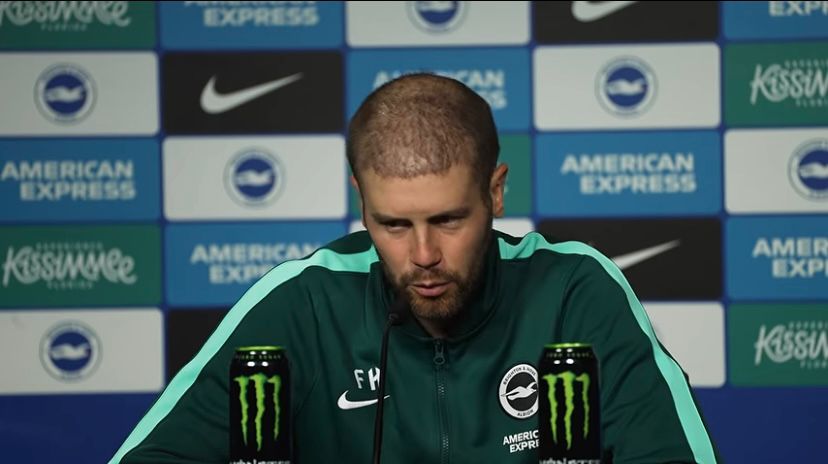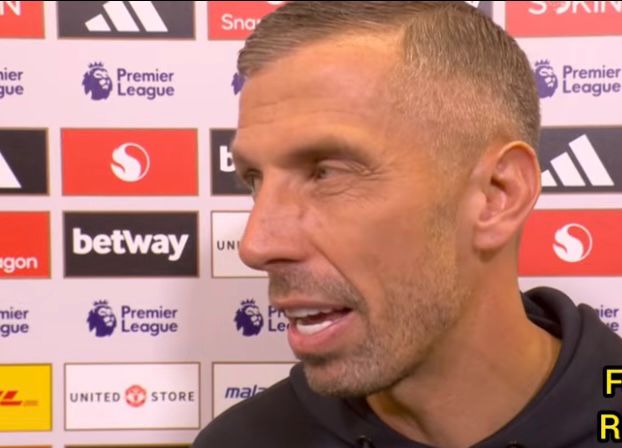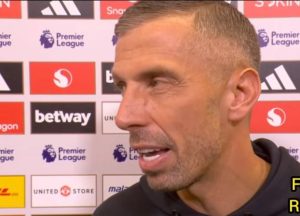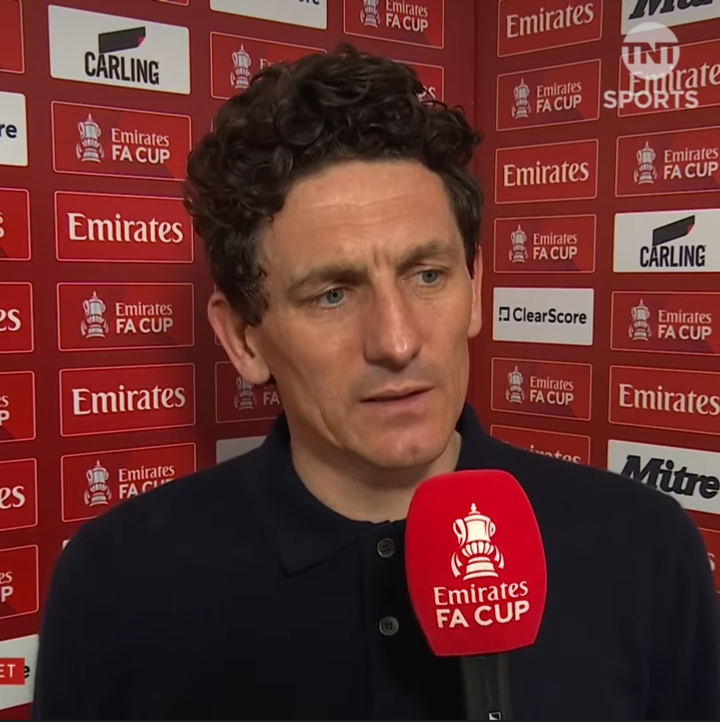
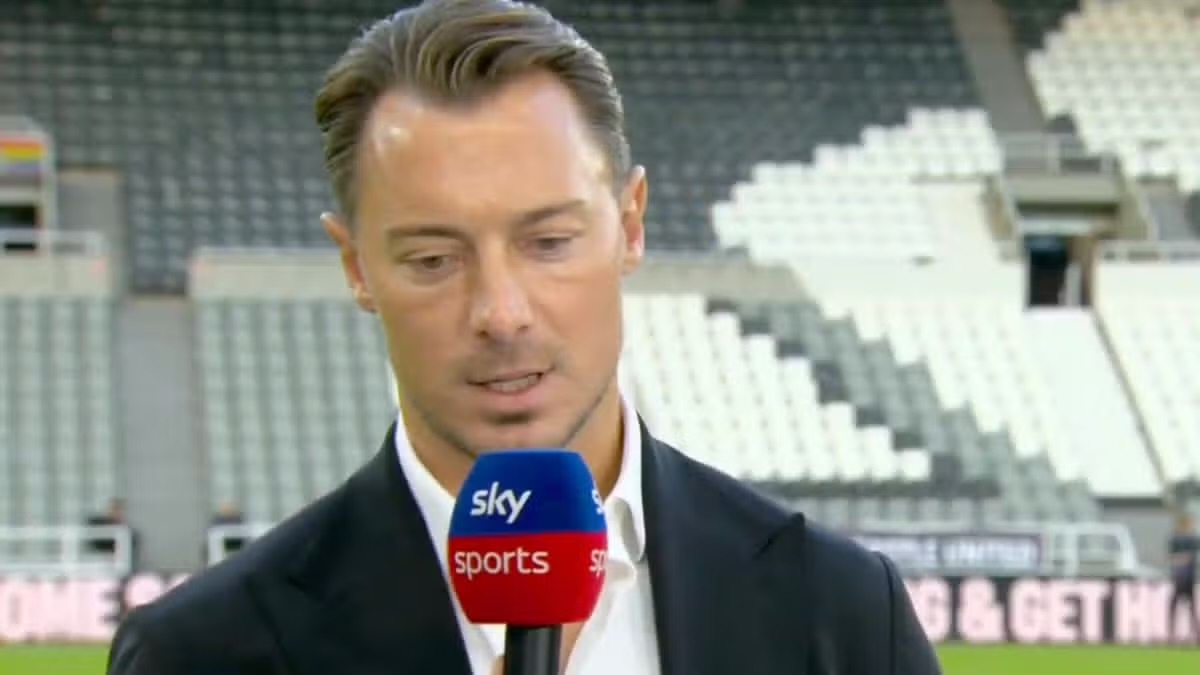
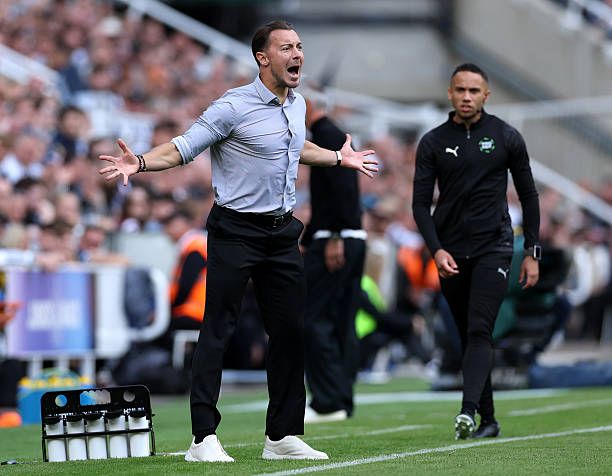
Brentford head coach Keith Andrews was left visibly frustrated after his side were forced to settle for a 1-1 draw against Sunderland, with the Bees boss questioning the decision that handed the visitors a late penalty at the Gtech Community Stadium.
Brentford appeared to be on course for another important Premier League victory after Vitaly Janelt put the hosts ahead in the 57th minute with a superb finish. However, the match changed dramatically in the closing stages when referee Thomas Bramall awarded Sunderland a penalty following a challenge involving Brentford winger Keane Lewis-Potter and substitute Wilson Isidor.
Isidor went down inside the Brentford penalty area in the 82nd minute, and after the referee pointed to the spot, Enzo Le Fée stepped forward and calmly converted to bring Sunderland level. The decision immediately became the biggest talking point of the afternoon, with Brentford players surrounding the referee in disbelief.
For Andrews, the frustration was understandable. His team had worked hard to recover from a difficult opening period and had seemingly completed the turnaround after Janelt’s goal. Instead, one controversial moment left them with only a point.
The Brentford boss was particularly unhappy with what he saw as inconsistent officiating during the match. His frustration was heightened by the fact that Sunderland had already seen an early goal ruled out following a lengthy VAR review, while Brentford also had a goal cancelled later in the contest.
The match had therefore already been dominated by refereeing discussions before the late penalty became the decisive talking point.
Andrews’ anger was not simply about the penalty itself. It was about what he believed was another example of the fine margins being decided by officiating rather than the players on the pitch. The Brentford manager has previously shown that he is willing to defend his players publicly, but this occasion left him with little satisfaction.
The penalty decision came after Isidor attempted to move into the area, with Lewis-Potter judged to have fouled him. Le Fée made no mistake from twelve yards, sending the goalkeeper the wrong way and rescuing a point for Sunderland.
From Sunderland’s perspective, it was another impressive display of resilience. They had created several opportunities during the first half and could have been ahead before the break. Le Fée had already struck the post, while other chances went begging.
Brentford improved significantly after the interval and eventually took control. Janelt’s powerful strike appeared to reward that improvement, but Sunderland refused to surrender.
Andrews had also been forced to make changes earlier in the match after captain Nathan Collins went off injured inside the opening 20 minutes. The Brentford manager responded with a triple substitution at half-time, and those changes helped transform his team’s performance.
Yet just when the Bees appeared to have completed the job, the penalty controversy arrived.
The result means Brentford remain unbeaten at the beginning of their Premier League campaign, but the feeling around the dressing room will undoubtedly be one of frustration rather than celebration. A victory would have strengthened their position near the top of the table, whereas the draw leaves them wondering what might have been.
The controversy also ensures that discussions about Premier League officiating will continue beyond the final whistle. Managers are increasingly demanding consistency from referees and VAR, particularly when decisions have a direct influence on results.
For Andrews, the message from his post-match frustration was clear: Brentford believed they had done enough to win the game.
Sunderland will understandably argue that the penalty was justified, and the officials ultimately made their decision based on what they saw in the box. But from Brentford’s perspective, the late call overshadowed what had been an encouraging second-half performance.
Le Fée’s penalty may have secured Sunderland a valuable point, but it also left Andrews and his players furious.
The Brentford boss will now want his team to channel that frustration into their next fixture rather than allow the controversy to derail their strong start. With the Bees still unbeaten, there are plenty of positives for Andrews to take.
Nevertheless, the late penalty will dominate the conversation for some time, with Premier League officiating once again under intense scrutiny after another match decided by a moment that left one side celebrating and the other demanding answers.
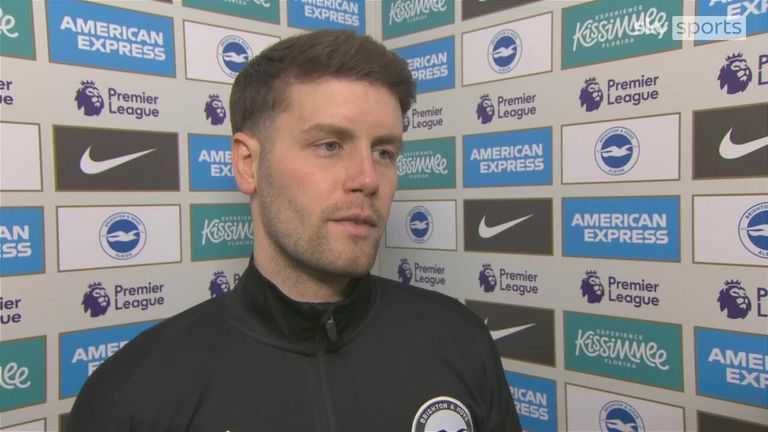


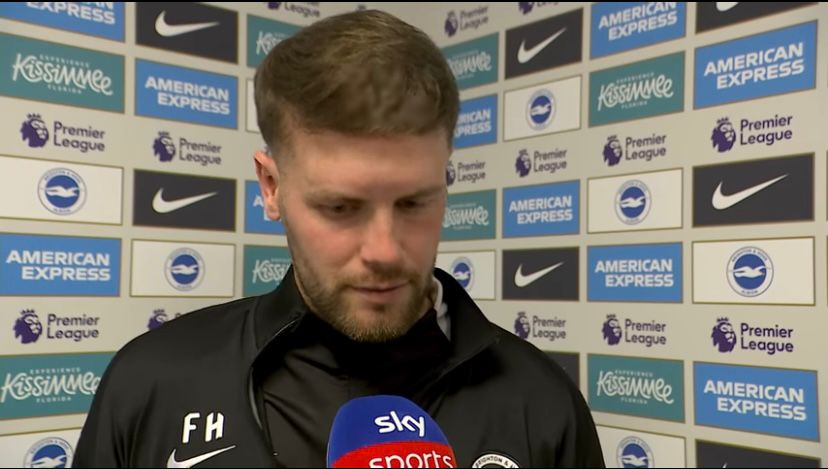







 For a Spurs side striving to maintain defensive solidarity and control over matches, identifying and neutralizing these hidden threats forms the absolute bedrock of their weekly preparation. Yet, De Zerbi openly conceded that crafting a defensive antidote becomes an entirely different challenge when facing a talent possessing such a devastating, multi dimensional skill set.
 The explosive winger, whose relentless work rate, dynamic acceleration, and direct running have injected immense fear into Premier League defenses this season, is precisely the figure keeping Tottenham’s coaching staff awake at night. De Zerbi specifically touched upon how Ndoye’s terrifying pace on the break and his ability to ruthlessly exploit vacant space behind high defensive lines will present a massive, recurring problem for Spurs on Saturday. The Tottenham boss made no secret of his underlying anxiety, noting that Ndoye’s capacity to transition from deep defensive blocks into blistering counter attacks in the blink of an eye could completely shatter Tottenham’s structured build up play and defensive shape.